
Mastering Advanced Inspection Practices for Homes

When it comes to buying or selling a home, the inspection process is crucial. It can make the difference between a smooth transaction and unexpected headaches. Over the years, I have learned that mastering advanced inspection practices is essential for uncovering hidden issues and ensuring a property’s true condition is understood. This knowledge empowers you to make confident decisions and avoid costly surprises.
In this post, I will walk you through the key elements of advanced home inspections. I’ll share practical tips, explain what to look for, and highlight the tools and techniques that set thorough inspections apart. Whether you are a buyer, seller, or property owner, these insights will help you navigate the inspection process with confidence.
Understanding Advanced Inspection Practices
Advanced inspection practices go beyond the basic checklist. They involve a detailed examination of a home’s structure, systems, and components using specialized tools and methods. This approach helps identify issues that might not be visible during a standard inspection.
For example, instead of just checking if a roof looks intact, an advanced inspection might include infrared thermography to detect moisture intrusion or hidden leaks. Similarly, electrical systems can be tested with circuit analyzers to ensure safety and compliance.
Here are some key aspects of advanced inspections:
Comprehensive Structural Analysis: Using moisture meters, borescopes, and other tools to assess the foundation, walls, and framing.
HVAC System Evaluation: Checking airflow, efficiency, and potential hazards with advanced diagnostic equipment.
Plumbing Inspection: Employing video pipe inspection cameras to detect blockages or leaks inside pipes.
Electrical System Testing: Verifying wiring integrity, grounding, and load capacity with specialized testers.
Environmental Assessments: Testing for radon, mold, and other indoor air quality concerns.
These practices require experience and knowledge, but they provide a much clearer picture of a home’s condition.
Why Advanced Inspection Practices Matter
Many homes, especially older ones, have hidden problems that can lead to expensive repairs if left undetected. Advanced inspection practices help uncover these issues early. This is particularly important in regions like Southwest Florida, where humidity and weather conditions can accelerate wear and damage.
For instance, termite damage is a common concern here. A basic inspection might miss subtle signs, but advanced tools like thermal imaging cameras can reveal heat patterns indicating termite activity behind walls.
Another example is mold growth. Mold can be hidden inside walls or under flooring. Advanced inspections include air quality testing and moisture detection to identify mold risks before they become health hazards.
By investing in advanced inspections, you gain:
Peace of Mind: Knowing the true condition of the property.
Negotiation Power: Using detailed reports to request repairs or price adjustments.
Long-Term Savings: Avoiding costly surprises after purchase.
Safety Assurance: Identifying electrical or structural hazards early.
These benefits make advanced inspections a smart choice for anyone serious about their property investment.
Tools and Techniques for Advanced Home Inspections
To master advanced inspection practices, it’s important to understand the tools and techniques that professionals use. Here are some of the most effective ones:
Infrared Cameras
These cameras detect heat differences, revealing moisture intrusion, missing insulation, or electrical hotspots. They are invaluable for spotting problems invisible to the naked eye.
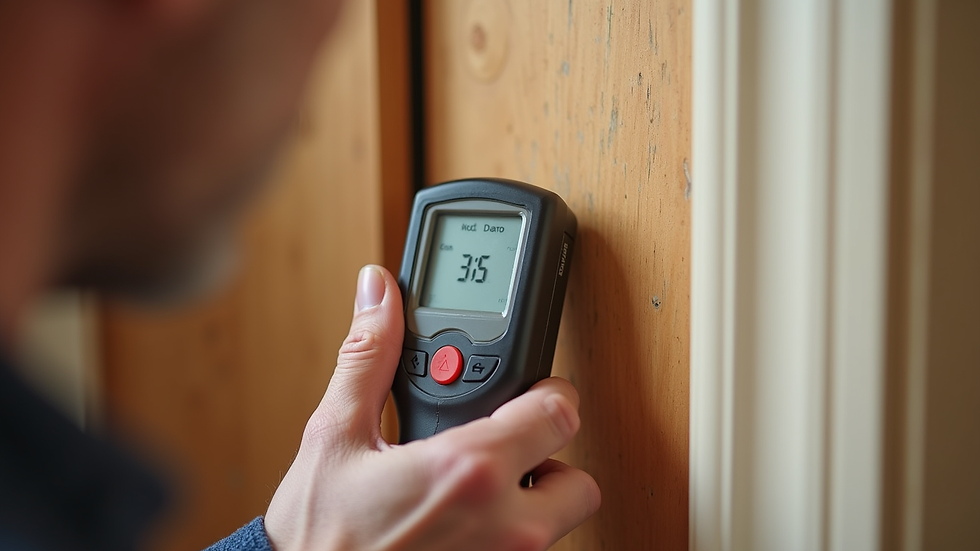
Moisture Meters
These devices measure moisture levels in wood, drywall, and concrete. High moisture readings can indicate leaks or water damage.
Borescopes
A borescope is a small camera on a flexible tube that can be inserted into walls, ducts, or pipes to inspect hidden areas without demolition.
Gas Detectors
These detect the presence of harmful gases like carbon monoxide or natural gas leaks, ensuring safety.
Electrical Circuit Analyzers
These tools test the integrity and load capacity of electrical circuits, helping to identify potential fire hazards.
Video Pipe Inspection Cameras
These cameras are inserted into plumbing lines to check for blockages, corrosion, or damage.
Radon Test Kits
Radon is a radioactive gas that can accumulate indoors. Testing is essential in many areas to ensure safe air quality.
Using these tools requires training and experience. When combined with a thorough visual inspection, they provide a comprehensive assessment of a home’s condition.

How to Prepare for an Advanced Home Inspection
Preparation is key to getting the most out of an advanced home inspection. Here are some steps to take before the inspection day:
Gather Property Information: Collect any previous inspection reports, repair records, and maintenance history. This background helps the inspector focus on potential problem areas.
Clear Access Areas: Make sure the inspector can access the attic, crawl spaces, electrical panels, and HVAC units. Remove obstacles like furniture or stored items.
List Your Concerns: Write down any specific issues you want the inspector to check, such as suspected leaks or electrical problems.
Plan for the Inspection Duration: Advanced inspections take longer than standard ones. Set aside enough time to allow a thorough evaluation.
Attend the Inspection: If possible, be present during the inspection. This gives you a chance to ask questions and see issues firsthand.
By preparing well, you help the inspector perform a detailed and efficient assessment.
Interpreting Inspection Reports and Taking Action
After the inspection, you will receive a detailed report outlining findings, photos, and recommendations. Understanding this report is crucial for making informed decisions.
Here’s how to approach it:
Review the Summary First: Most reports start with a summary of major issues. Focus on these to understand the critical concerns.
Look at Photos and Descriptions: Visual evidence helps you grasp the severity and location of problems.
Prioritize Repairs: Not all issues require immediate action. Categorize them into urgent, necessary, and cosmetic repairs.
Consult Experts if Needed: For complex problems like foundation issues or electrical hazards, consider getting specialized opinions.
Use the Report in Negotiations: If you are buying or selling, the report can support requests for repairs or price adjustments.
Plan for Maintenance: Some findings may not be urgent but should be monitored or maintained regularly.
Remember, a thorough inspection report is a valuable tool. It helps you protect your investment and plan for the future.
Mastering advanced inspection practices is a game-changer in understanding a home’s true condition. With the right tools, techniques, and preparation, you can uncover hidden issues and make confident property decisions. If you want expert guidance tailored to Southwest Florida homes, I recommend reaching out to professionals like eric hale who specialize in comprehensive and trustworthy inspections.
Taking these steps ensures your home is safe, sound, and ready for the years ahead.


Comments